MLB Spring Training Betting — Is It Worth Wagering on Exhibition Games?
 Available in US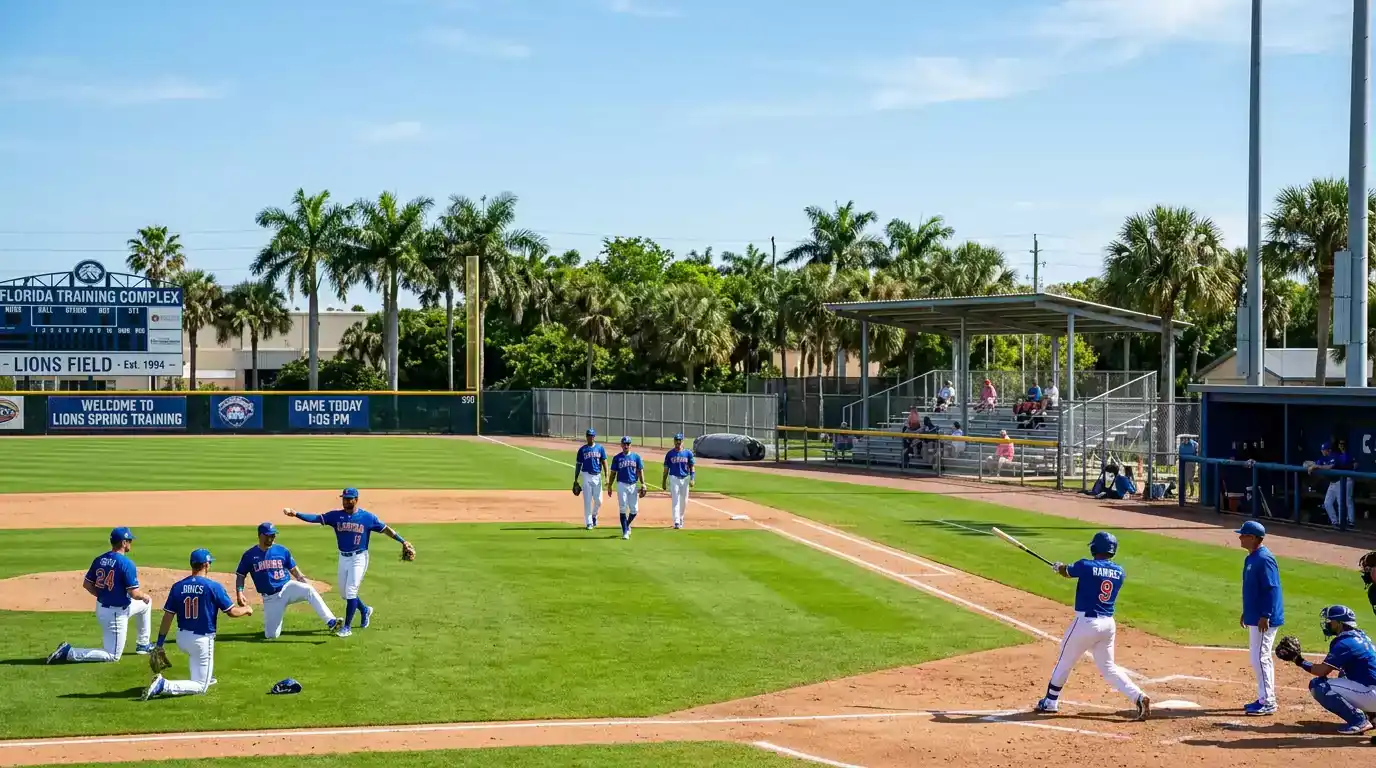
Every February, something strange happens to my inbox. Three or four people ask me whether they should start betting MLB spring training games because “the season is starting.” It is not. Spring training is an exhibition — a six-week rehearsal in Arizona and Florida where managers experiment with lineups, young players audition for roster spots, and established stars play three innings before heading to the golf course. Betting on it is possible. Betting on it profitably is a different conversation entirely.
The average age of MLB ticket buyers has dropped from 51 to 46 over the past five years, and that younger demographic is more engaged with year-round content, including spring training. Social media makes it easy to follow camp battles and hyped prospects, which in turn makes it tempting to attach a bet to that excitement. I understand the appeal. But spring training games are not real baseball games, and treating them as if they are is the first mistake bettors make.
Table of Contents
Why Spring Training Is Different
In the regular season, every game matters. Managers optimise lineups, deploy their best relievers in high-leverage situations, and make decisions designed to win today. In spring training, the objectives are fundamentally different. The manager’s priority is evaluation, not victory. He is trying to figure out which backup infielder deserves the last roster spot, how a young pitcher handles right-handed lineups, and whether a veteran returning from injury can still play at a competitive level.
The consequences for bettors are severe. Starting pitchers typically throw two to four innings before being replaced, regardless of how well they are performing. Everyday players are pulled mid-game for rest or replaced by minor-league invitees. The lineup that starts the game often bears no resemblance to the lineup that finishes it — and the finishing lineup is composed of players who may not make the opening-day roster.
MLB’s regular season drew 71.3 million fans through the gates in 2024, but spring training attendance is a fraction of that, played in smaller venues with a holiday atmosphere. The intensity is lower, the stakes are nonexistent, and the results are meaningless for the standings. A team that goes 8-22 in spring training can win 95 games in the regular season, and a 20-10 spring record tells you almost nothing about October readiness.
For totals bettors, the pitching carousel creates additional chaos. A game might feature eight or nine different pitchers across nine innings, including minor-leaguers throwing in the upper levels for the first time. Modelling that kind of rotation is effectively impossible, which is why spring training totals are among the widest-margin markets at any sportsbook — the bookmaker does not know what will happen either, so they protect themselves with extra vig.
Limited Value Spots
None of which means there is zero value in spring training. There are narrow spots where the market consistently misprices games, and I have exploited a few of them over the years — always with small stakes and always with the understanding that the variance is extreme.
The first is early-spring games featuring a confirmed starter who is on a pitch count. If an ace is scheduled to throw 60 pitches across four innings, and the opposing team is starting a non-roster invitee, the first-inning and first-five-innings markets — where available — can offer an edge because the quality gap is concentrated in the early frames. The caveat: not all UK sportsbooks offer F5 lines for spring training, so this angle may not be accessible at your operator.
The second is late-spring games in the final week before the regular season, when teams start playing something closer to their opening-day lineups and starters throw five or six innings. These “dress rehearsal” games more closely resemble regular-season conditions, and the lines set by the sportsbook sometimes lag behind the increased competitiveness. This is also the window where you can scout potential regular-season betting angles — watching how a pitcher’s velocity looks after a full spring, or whether a lineup’s approach has changed under a new hitting coach.
The third is contrarian thinking about spring results. After six weeks of exhibition play, the betting public forms opinions about which teams “look good” and which “look bad.” Those opinions are almost entirely noise, but they can influence early regular-season lines. A team that went 10-20 in spring training may open the regular season with slightly inflated odds because the market overweights the recent exhibition results. If your long-season strategy includes early-April contrarian plays, spring training results provide a useful catalogue of teams whose opening-week prices may be softer than their actual quality warrants.
One thing spring training does offer reliably is injury information. The six-week camp is where soft-tissue injuries surface, where surgically repaired arms get their first real tests, and where roster decisions reveal which players a team trusts and which they do not. That information flows into the regular-season market, and bettors who follow spring training closely have a head start on understanding which teams are healthier, deeper, and better prepared than the market expected.
The margins on spring training markets are also worth noting. Because the outcomes are so unpredictable, bookmakers protect themselves with wider spreads — often 15-cent or 20-cent lines rather than the regular-season dime line. That inflated margin further reduces the already limited edge available in exhibition games and is another reason to keep spring training stakes small if you bet at all.
My bottom line on spring training betting: treat it as a scouting exercise, not a profit centre. Watch the games if you enjoy them, note the pitching matchups and lineup experiments, and file the observations for the regular season. If you must bet, keep the stakes at a fraction of your normal unit size and accept that the outcomes are closer to a coin flip than to any market you have analysed properly. The real season starts on Opening Day, and that is when your bankroll should start working.
Do UK sportsbooks offer markets for spring training games?
Some do, but coverage is significantly reduced compared to the regular season. The larger UK operators with international platforms typically offer moneylines and totals for most spring training games, while smaller operators may carry no spring training markets at all. Prop markets, F5 lines, and in-play coverage are rare during spring training. Check your sportsbook’s MLB section in late February to see what is available.
Why are spring training results a poor predictor of regular-season form?
Spring training games are exhibitions where managers prioritise player evaluation over winning. Lineups change mid-game, starters pitch limited innings, and minor-league invitees play significant roles. A team’s spring record reflects how its fringe roster candidates performed, not how its regular-season lineup will compete. Historical data shows minimal correlation between spring training win-loss records and regular-season outcomes.
Published by the Online Baseball Betting team.